Holy Cross in the Arcana Framework
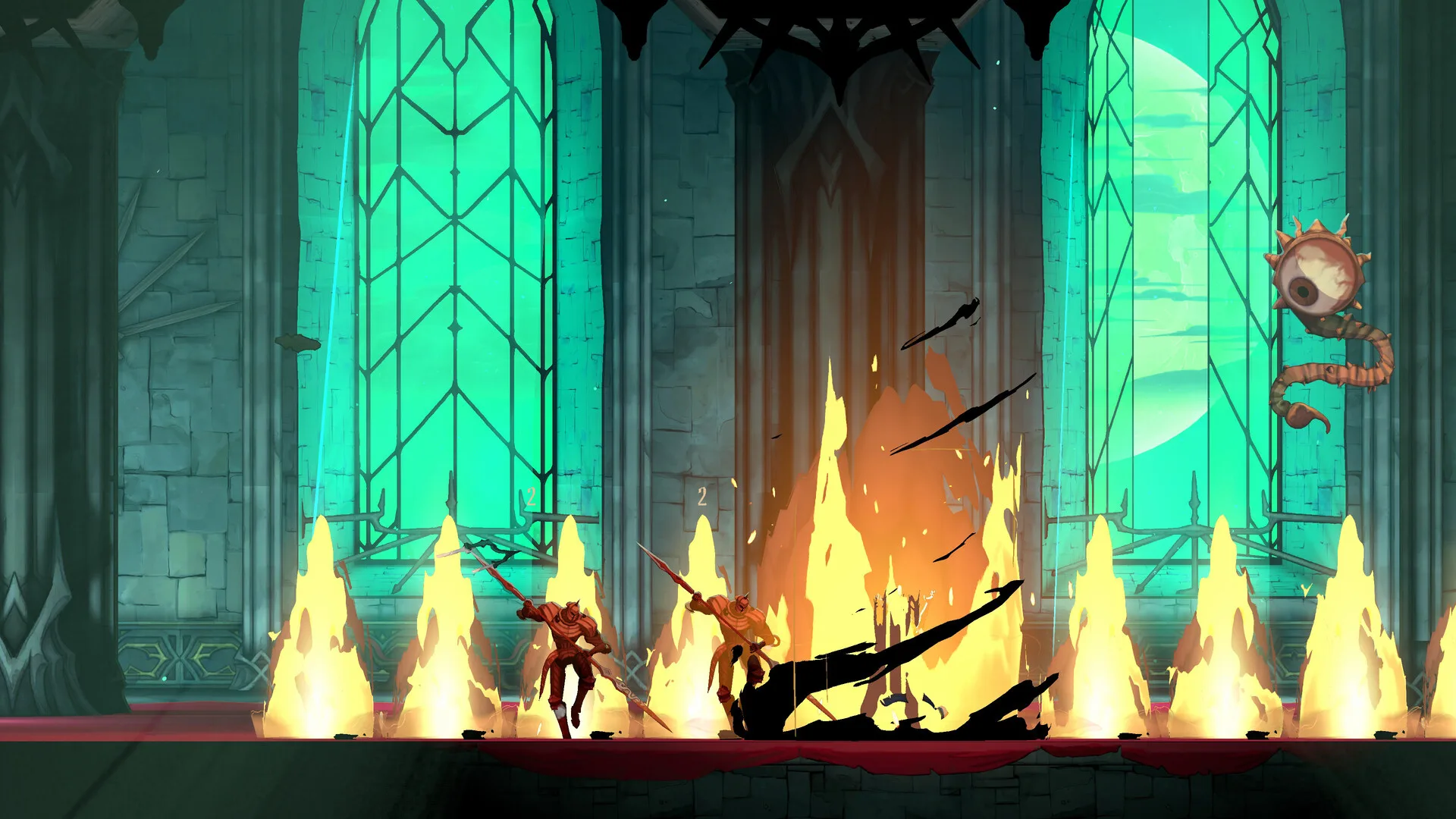
Players looking for subweapons may recognize Holy Cross. In this game, the PlayStation hands-on report places the reward within the boss-derived Arcana system: the Cross becomes Rose's after The Fallen is tamed.
The Fallen overview covers the reported sewer encounter. It does not establish the player's complete Holy Cross move list. In particular, the source does not describe rotating projectiles, a boomerang path, damage values or exact resource consumption for that specific ability.
What Is Known About Secondary Abilities
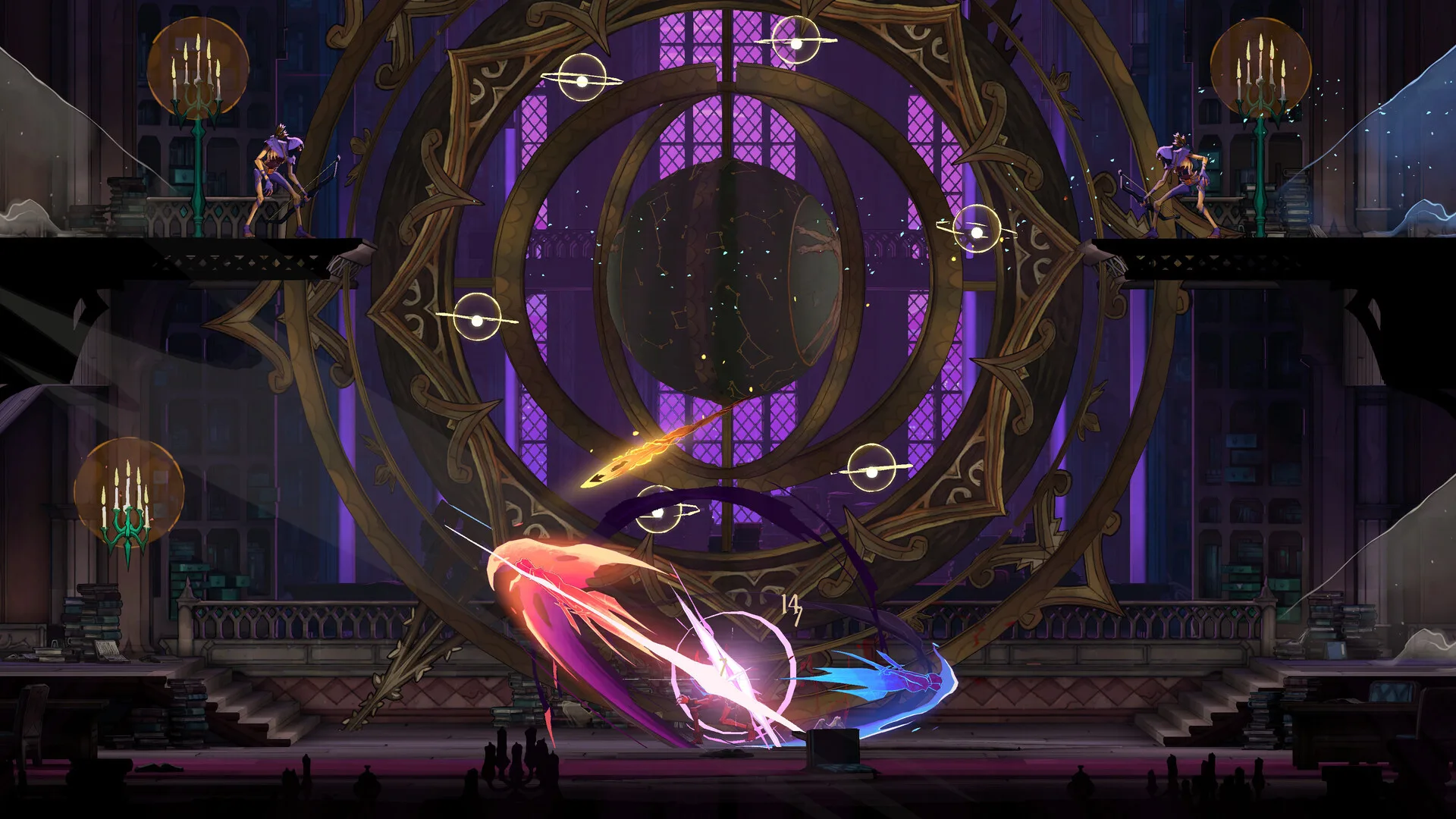
The preview describes spells on Triangle using mana, with L1 healing drawing on the same resource. It separately describes Joan's Holy Light on L2, allowing passage through Chaos Shards and timed attack deflection. Read the Arcana system guide before assuming all Arcana use the same input or cost.
Defeating enemies is one reported mana recovery method. Crypt Key is another reported recovery source when opening a chest; the relics guide explains its effect.
What Series Familiarity Cannot Establish
A familiar item name does not prove that Hearts, Holy Water, Axes or Stopwatches behave as they did in another Castlevania. The sources linked here do not establish a complete traditional subweapon inventory or its resource economy.
Our preparation suggestion is to inspect an ability's actual description and control prompt before budgeting resources around it. For a future complete guide, record acquisition, input, cost, behavior and upgrade state separately. That makes comparisons useful without importing unsupported assumptions from earlier games.
Keep the Ability's Origin and Behavior Separate
A useful ability reference records how an ability is obtained, how it is activated, and what it does. Those are three separate questions. The reported Holy Cross reward from The Fallen establishes an acquisition association; it does not automatically establish that Rose reproduces every attack animation used by the boss.
This is especially important when a familiar Castlevania item name appears. Earlier entries can suggest a question to investigate, but they do not establish a heart cost, returning projectile, duration, or input in Belmont's Curse. The relevant evidence is the current game's description and a source documenting this entry.
| Field for an ability note | What belongs there |
|---|---|
| Displayed name | The name shown by the current game or reliable source |
| Acquisition | The documented reward or observed acquisition context |
| Activation | The binding shown for your platform and current selection |
| Effect | What the description or observation actually establishes |
| Upgrade | A separate Blessing or Gift, when documented |
This cataloging method is editorial guidance. It does not supply a complete ability list or replace missing gameplay evidence.
Read Inputs at the Ability Level
The PS5 preview reports Triangle spellcasting, and it specifically describes L2 use for Joan's Holy Light. Keeping those observations attached to their reported actions is more precise than assigning one button to every secondary ability. On another platform, use the displayed bindings instead of translating the PS5 buttons by guesswork.
Likewise, keep a documented resource cost separate from an unknown one. The shared mana system explains casting and healing decisions, but the sources do not supply numeric costs for every named ability or establish that every special action has the same cost.
Before making a resource plan around an ability, inspect its current description and observe the relevant meter if the game provides one. Record the conditions with the result. An action that was affordable in one situation does not establish a universal free-use rule.
Evaluate an Ability by Its Intended Job
For your own comparison, choose a specific question: does the documented action help with an enemy, a traversal interaction, or a defensive decision? Then compare the observation with the ability description. Avoid assigning a role solely from the name or from how a boss used an object.
The Arcana system guide explains the wider progression framework. The Relics guide helps distinguish equipment effects, while the confirmed weapons guide keeps weapon traits separate. Together, those references help build a readable setup without importing an undocumented classic subweapon system.