The Reported Grapple
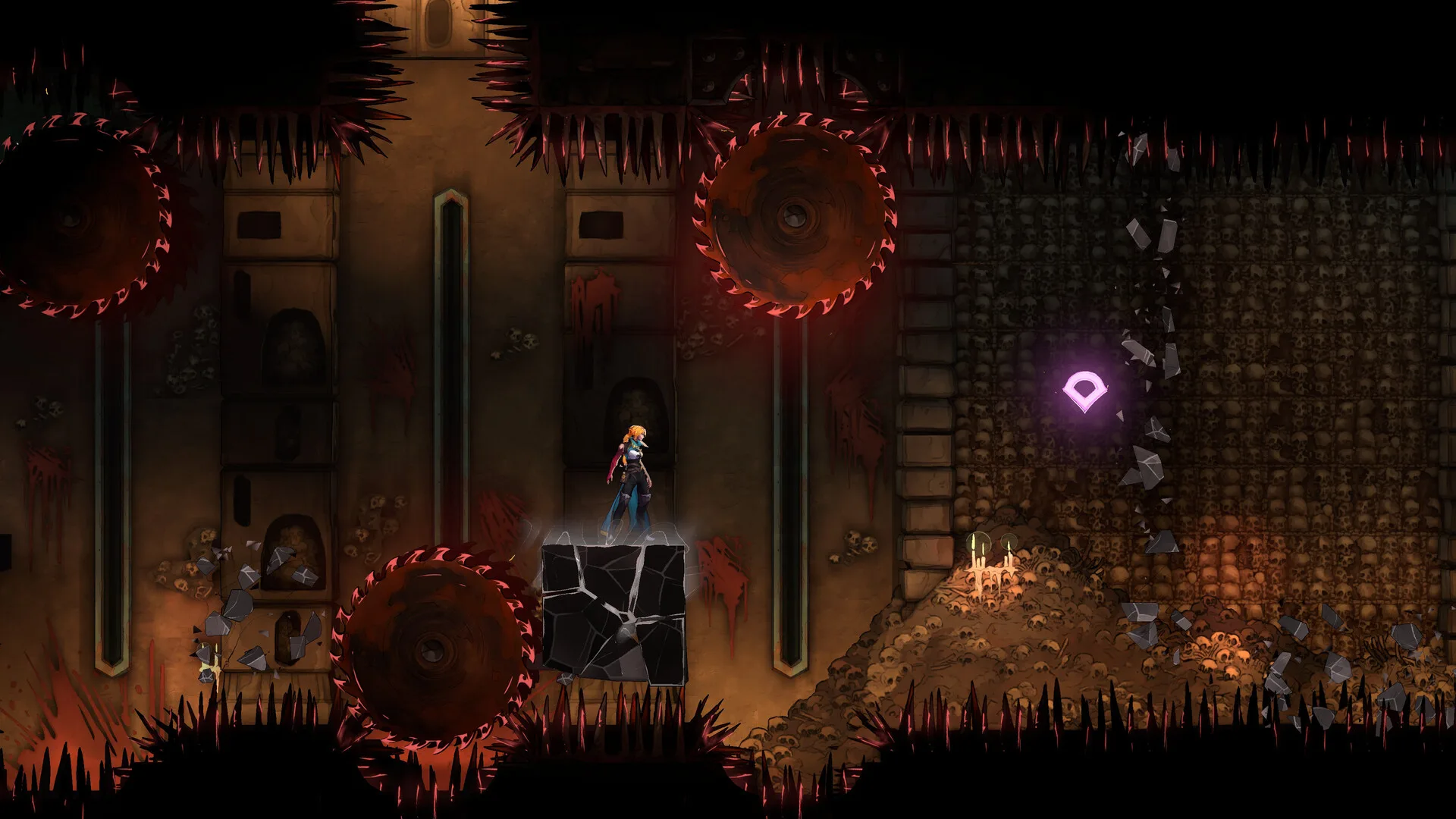
The PlayStation hands-on report identifies Rose's R2 ability as the Arcana Whip grapple. It can be chained into an instant attack or a traversal swing. The report also describes wall jumps and swinging across instant-death spikes.
The beginner guide collects the other PS5 preview controls. These button labels describe that build, rather than an independently verified keyboard, Xbox or Switch control map.
How to Practice Traversal
Our preparation suggestion is to learn a swing in a safe section before attempting a hazardous crossing. Observe the available grapple target and landing area in the game itself. The source does not establish target colors, a named anchor hierarchy or a room-by-room route.
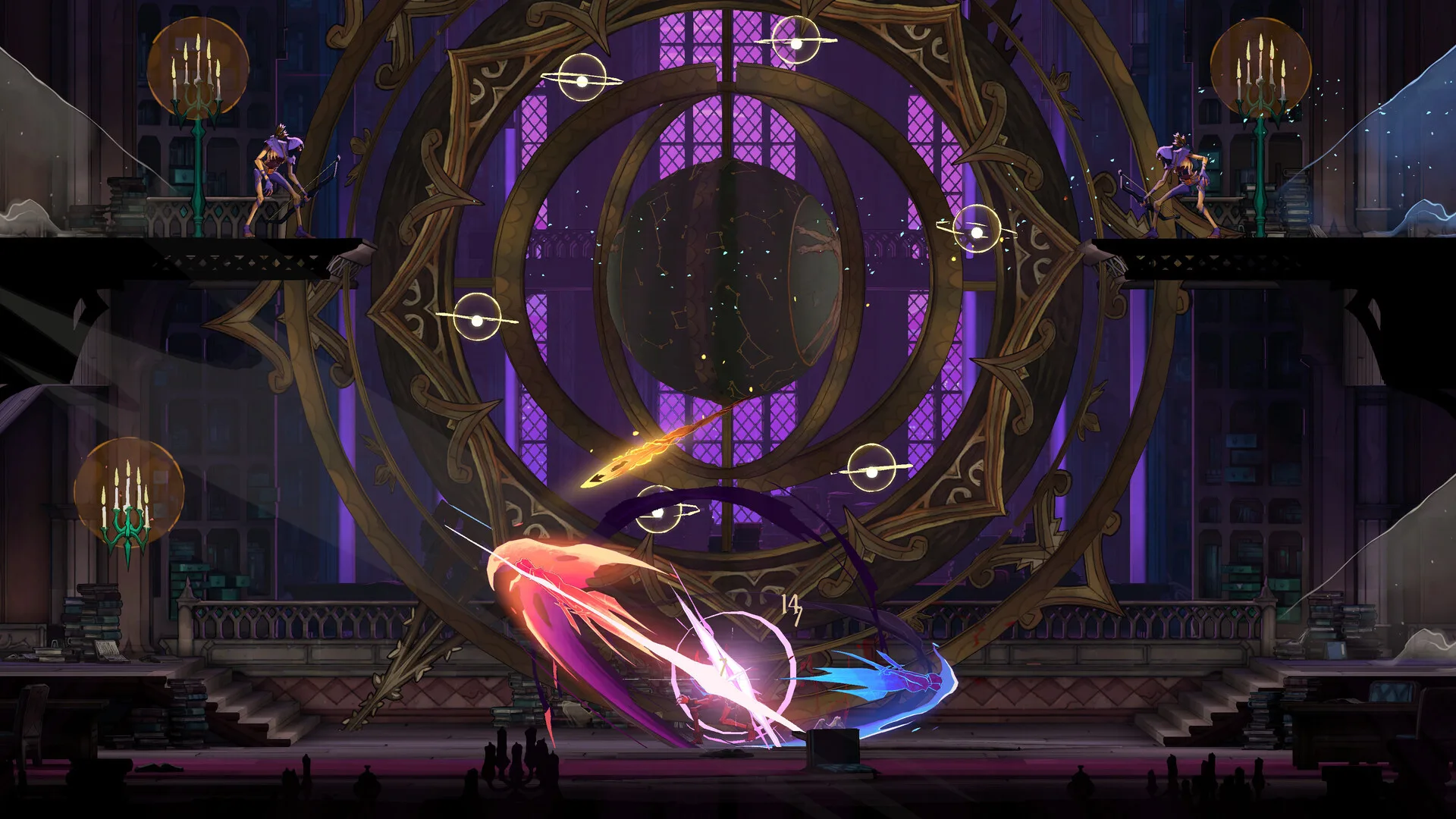
For combat, the report establishes that an attack can follow the grapple. It does not give a momentum-cancel input, specify an aerial enemy requirement or say that the follow-up must be a downward strike. See the combat guide for the separately reported evasive tools.
Double Jump and Upgrade Boundaries
No double jump was available during the author's playthrough. Level-design hints and the developers' reaction prompted an expectation of a later ability, but that expectation is not a confirmed unlock. It also does not establish the exact ability list in KONAMI's public demo.
A full traversal route needs verified room names, ability requirements and acquisition steps. We have not established those from the linked sources.
Grapple Versus Spellcasting
R2 is the reported grapple input, while Triangle is reported for mana-based spells. This distinction does not prove the grapple is free or identify its resource cost. The Arcana system guide explains the documented spell and healing economy. Keep those known inputs separate from unverified resource rules.
Read a Traversal Sequence Without Guessing Its Physics
The hands-on establishes that grappling can connect movement and attacks. It does not provide a release-button specification, a maximum-distance formula, or a universal best point on a swing. The following is an editorial method for learning a sequence from current controls and observable results.
Break a traversal attempt into a starting point, an available interaction, and an intended destination. Check which part failed before changing the whole sequence. Missing the interaction is a different problem from reaching it but landing somewhere unintended. An attack transition is another question again: the reported ability to transition does not establish a particular buffered-input technique.
| Part of the attempt | Useful observation | Avoid assuming |
|---|---|---|
| Approach | Your position when the interaction becomes available | A universal grapple range |
| Connection | Which input the current prompts require | An undocumented hold or release rule |
| Movement | The path Rose actually follows | Guaranteed momentum or maximum distance |
| Landing | Whether the destination is reached safely | A fixed recovery window |
| Follow-up | Which action the game accepts next | A particular attack cancellation or buffer |
These notes can explain an attempt without turning a single observation into a general physics claim. Practice only with interactions your build actually presents; the guide does not identify every anchor location.
Keep a Useful Return-Route Note
The preview describes areas initially blocked by abilities and secret walls. That supports an exploration habit: keep a short note of a place you could not reach, rather than treating every obstacle as a failed jump. It does not tell us which later ability opens every route.
A useful note records the landmark, the visible obstacle, what you tried, and what remains uncertain. For example, distinguish a route you could not physically reach from an interaction you could reach but could not activate. Avoid assigning an unlock boss or item unless the current game or a reliable source identifies it.
If new equipment or an ability becomes available, revisit a relevant note and compare the result. This is a suggested way to organize exploration, not a promise about backtracking access or the order of unlocks. The exploration habits guide develops the record-keeping approach.
For basic control distinctions, return to the beginner guide. For combining movement with an attack, use the combat guide. Keeping those questions separate makes it easier to identify whether the next improvement is a control choice, a destination choice, or information about an unavailable route.