The Arcana System: Tarot Mechanics and Boss Binding
In Castlevania: Belmont's Curse, magic progression is tied to the tarot deck Rose carries. There are sixteen cards in all, and most come from defeating a boss — but not every one. The Judge comes from the Palace of Justice rather than a fight, and The Whisperer from the Ferryman's Obol, which makes both missable if you never backtrack. The full card-to-source mapping, and every Works of Mercy task per card, is in the Works of Mercy guide.
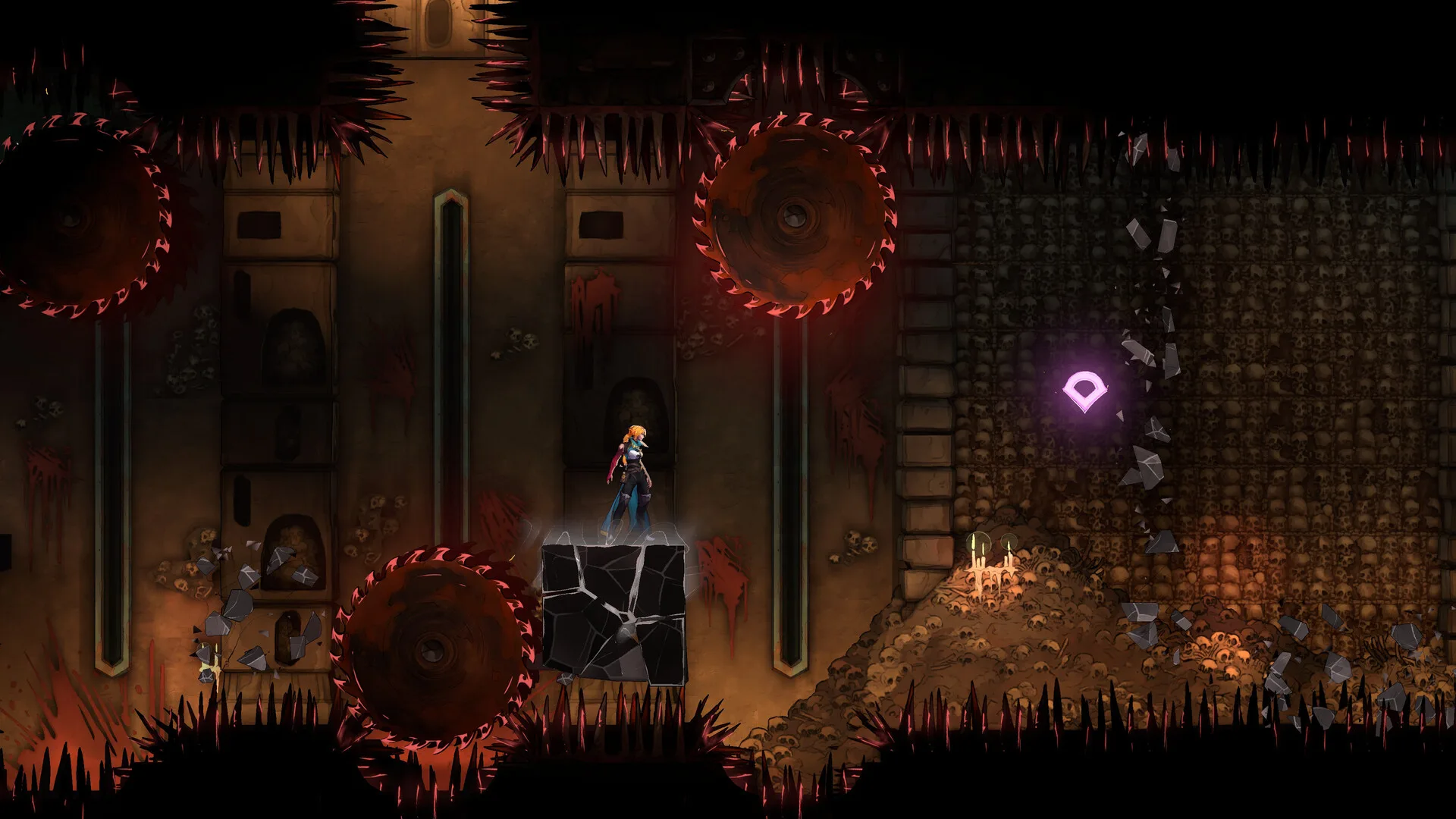
As confirmed in Corey Brotherson's PlayStation Blog Hands-On Report and on the KONAMI Official Portal, the Arcana system serves as the primary engine for magical customization.
Core Arcana Rules and Inputs
- Boss Soul Integration: Defeating a major boss merges their power into Rose's deck as an Arcana card. For example, taming The Fallen grants the Holy Cross, while defeating Joan of Arc awards Joan's Holy Light.
- Defeating Enemies for Mana: Defeating enemies restores Rose's mana, fueling both Triangle spells and L1 healing. Relics such as the Crypt Key provide additional recovery upon opening chests.
- Upgrading Through Works of Mercy: Each Arcana card features up to three specific challenges. Completing a task unlocks a Blessing, and assignment unlocks a bonus Gift (such as enlarging a fireball or boosting knockback).
Verified Cards in Action
- The Holy Cross: Reported reward for taming The Fallen; detailed attack behavior is not specified.
- Joan's Holy Light: Enables traversal through solid Chaos Shards by holding L2 and deflects enemy strikes with timed presses.
- Cursed Flame: Its fireball can gain larger size and heavier pushback through an upgrade.
Follow the Progression as Separate Decisions
The reported Arcana framework contains several stages that are easy to confuse: obtaining an ability through a boss, completing Works of Mercy, receiving a Blessing, and assignment that unlocks a Gift. Keep each stage attached to its own evidence instead of treating every improvement as the initial boss reward.
| Stage | Question to answer | Useful record |
|---|---|---|
| Acquisition | What did victory grant? | The displayed reward name and description |
| Task | What does the current Work of Mercy ask for? | Its actual wording and conditions |
| Blessing | What changed after completion? | The described benefit |
| Gift | What becomes available through assignment? | The assignment choice and its documented effect |
This is an editorial way to organize the system, not a complete task or card catalog. The hands-on provides examples and an up-to-three-task framework, rather than the full set of conditions for every Arcana.
When an effect changes, check which stage caused the change. A larger Cursed Flame fireball and its reported pushback upgrade should not be used as evidence that every Arcana improves in the same way. The Works of Mercy guide keeps the documented examples distinct from a full progression tree.
Make Resource Decisions With the Current Ability
Casting and healing share mana in the reported PS5 preview. That creates a practical planning question: what will you need to do after the current action? A fixed universal reserve cannot be calculated from these sources because exact costs and recovery amounts are not supplied.
Our editorial suggestion is to observe the currently equipped spell and healing action, then plan using the information your game actually displays. Record the action, its observed resource change, and the situation in which you used it. Keep a separate note when an effect comes from equipment or a special action with an undocumented cost.
Defeating enemies and Crypt Key chest recovery are reported methods. Their existence does not identify refill opportunities on every route. Before planning around recovery, check whether the opportunity is present in your actual situation and whether its required equipment is available.
Use a Card Reference for the Right Question
If your question is about a documented ability, use the confirmed Arcana guide. If it is about an upgrade task, inspect the Works of Mercy reference. If it is about where a reward comes from, use the relevant boss evidence rather than assuming that a card name reveals its source.
A readable personal record can contain just the ability name, acquisition evidence, task wording, and current resulting effect. That is enough to distinguish a base action from an upgraded setup while leaving undocumented card counts and numeric scaling out of the explanation.
Related Guides
- Learn about upgrade tasks in the Works of Mercy Guide.
- Review confirmed cards in our Arcana Guide.
- Study the sewer boss encounter in The Fallen Boss Guide.